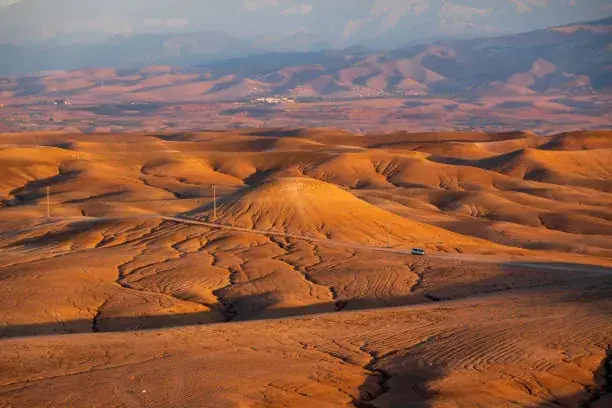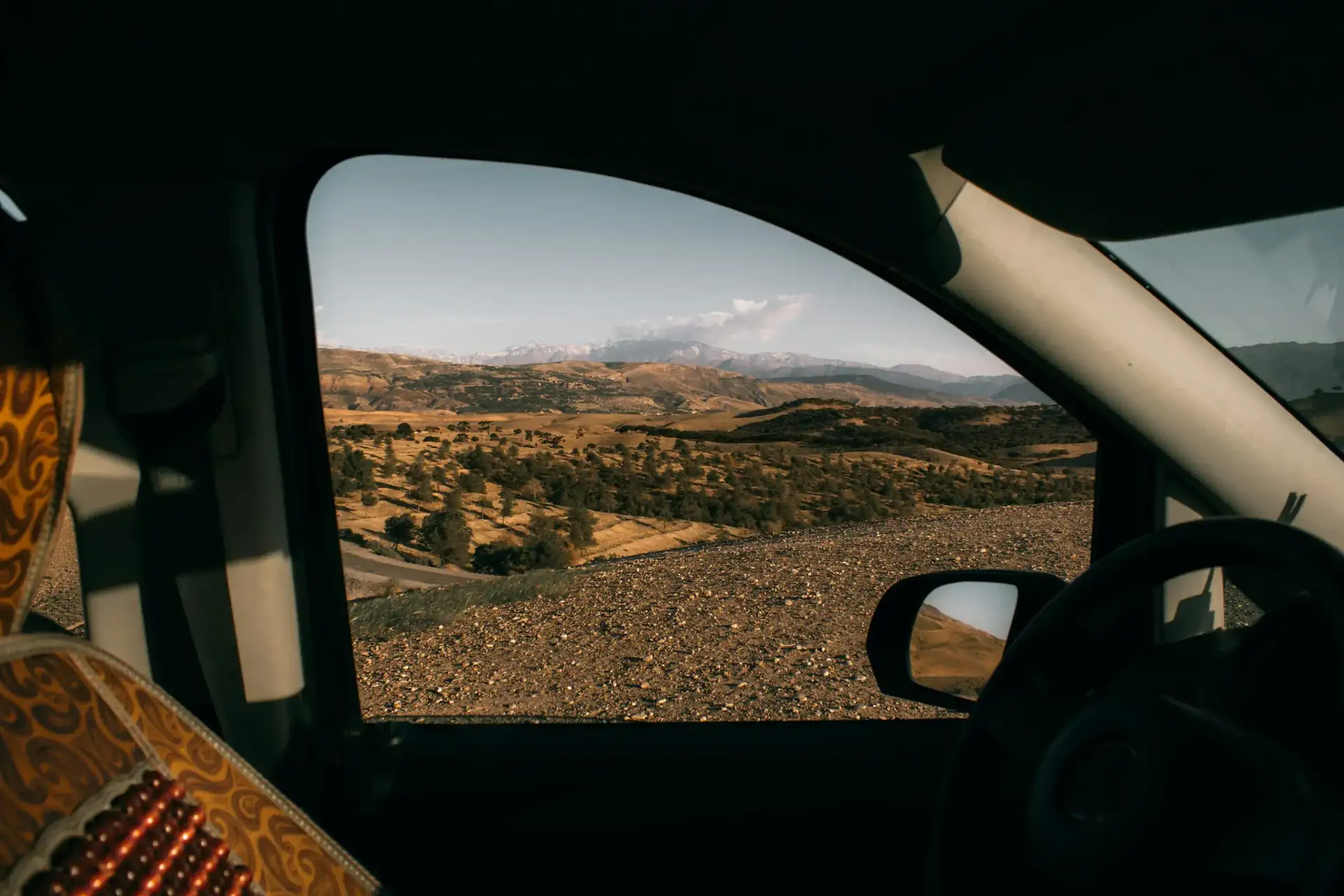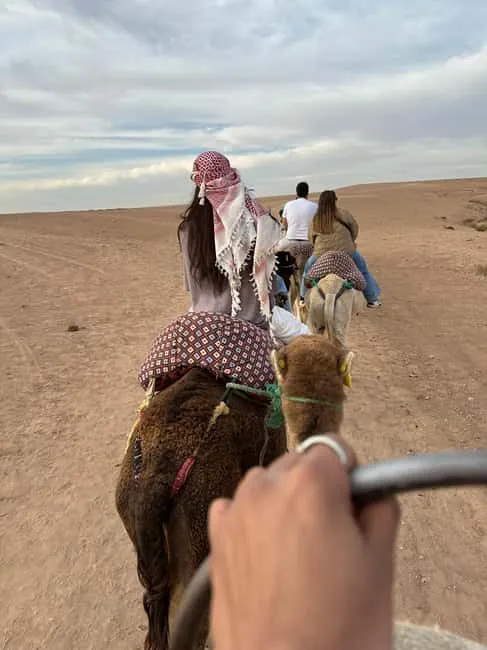
To view the Agafay Desert merely as an adventure playground or a photographic backdrop is to miss its deepest dimension. For centuries before modern travelers discovered its undulating ridges, this arid stone plateau was an integral part of the ancestral territory of the Amazigh (Berber) people of North Africa.
The Berber relationship with the desert is not one of conquest, but of profound coexistence. Understanding their culture enriches any visit to the stone desert, transforming a simple excursion into a meaningful cultural encounter.
The Amazigh Connection: Guardians of the Stone
The Amazigh — meaning "the free people" — have inhabited the valleys and plateaus of Morocco for over four thousand years. In the harsh environment of the Haouz plain, where surface water is scarce and rainfall unpredictable, Berber communities developed extraordinary systems of pastoral transhumance.
During the scorching summer months, shepherds moved herds of sheep and goats upward into the cooler alpine pastures of the High Atlas. In winter and early spring, as snow blanketed the mountain crests, they returned to the mineral pastures of Agafay, grazing livestock on drought-tolerant scrub like wild thyme, wormwood (*chih*), and esparto grass.
"The Amazigh did not build monuments to dominate the desert. They built homes that dissolve back into the earth when their time has passed."
Architecture of Earth and Stone: *Pisé* & Dry-Stone
Traditional Berber hamlets (*douars*) scattered around the perimeter of the Agafay plateau are masterclasses in sustainable bioclimatic engineering. Constructed using *pisé* (rammed earth mixed with straw) and locally quarried limestone, these thick walls keep interiors cool during 40°C summer afternoons and radiate stored warmth during freezing desert nights.
Unlike concrete structures that clash violently with the landscape, earthen Berber architecture shares the exact mineral pigment of the surrounding hills, making villages appear as organic extensions of the terrain itself.
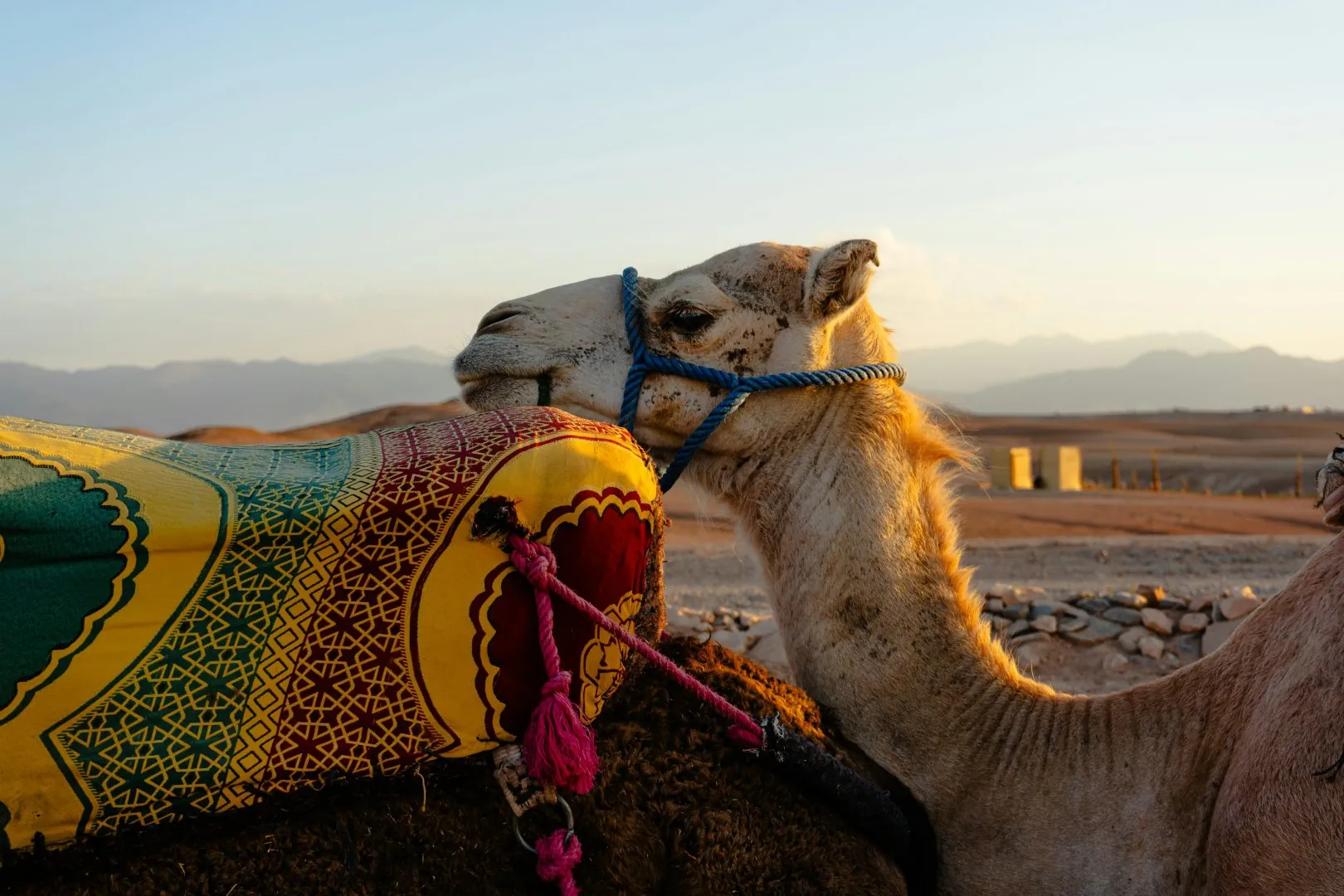 The timeless landscape of the Haouz plain, where ancient trails connect mountain to desert. — Marragafay
The Ceremony of Moroccan Mint Tea (*Atay*)
No encounter in the Agafay begins without the tea ritual. In Berber culture, offering tea to a guest is a sacred obligation of hospitality (*karam*). It is brewed with gunpowder green tea, fresh spearmint leaves (*naana*), and just the right amount of sugar, poured from high above into small glasses to create a delicate foam crown (*regga*).
To accept the glass with your right hand and sip it slowly is to enter into a mutual bond of friendship and respect. In the desert, conversations over tea are never rushed — they are an invitation to pause, listen, and connect.
Responsible Cultural Travel in Agafay
- Support Local Guides: Ensure your tour operator employs certified local Berber drivers, guides, and camp staff at fair living wages.
- Ask Before Photographing: Always request permission before taking portraits of local residents or artisans in rural villages.
- Respect the Environment: The fragile desert ecosystem takes years to recover from discarded plastics. Marragafay maintains a strict zero-waste-to-desert policy.
Experience Agafay with Marragafay
Private desert dinners, quad adventures, and sunset camel rides — curated for those who seek extraordinary experiences.
Experience Agafay Culture & Dinner →